Core Structure and Working Principle
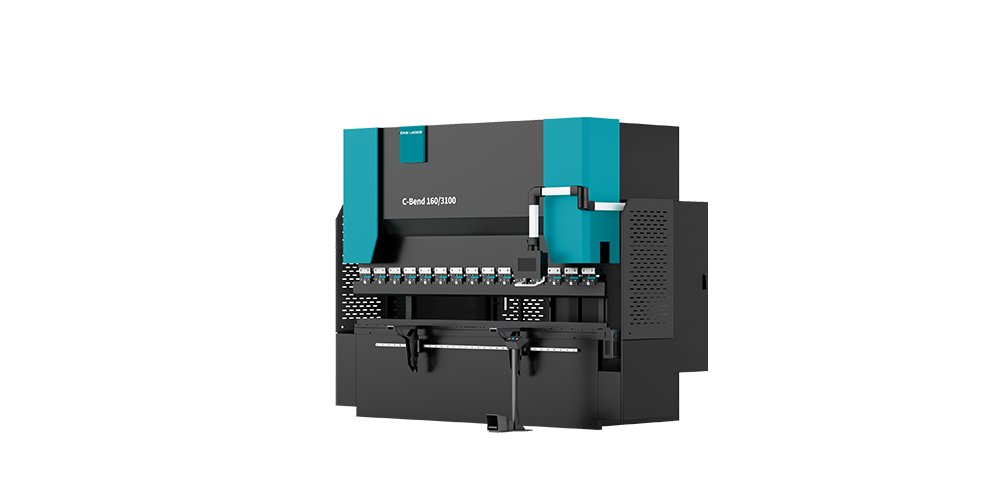
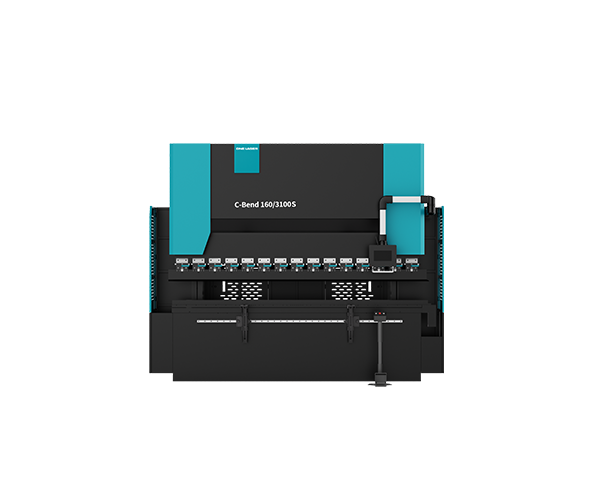
A bending machine mainly consists of a support frame, worktable, clamping plate, slider, synchronization system, and stop mechanism. The worktable, placed on the support frame, consists of a base and a pressure plate. The base is connected to the clamping plate via a hinge, forming an electromagnetic clamping system. When energized, the coil generates attraction, causing the pressure plate to fit tightly against the base, fixing the sheet metal to be processed. A hydraulic bending machine uses an oil pump to drive the slider up and down, applying pressure to the sheet metal based on the shapes of the upper and lower dies to achieve bending. A CNC bending machine integrates a CNC system, which can automatically adjust the slider stroke, pressure, and stop position, significantly improving processing accuracy and efficiency.
Classification and Characteristics
Based on the driving method, bending machines can be divided into three main categories: manual, hydraulic, and CNC:
1. Manual Bending Machines: Relying on manual operation, suitable for small-batch processing of simple shapes, with low cost but limited efficiency.
2. Hydraulic Bending Machines: Powered by an oil pump, they can apply uniform pressure throughout the entire stroke and have overload protection, making them the mainstream choice in modern manufacturing. Their synchronization system uses torsion shaft or electro-hydraulic servo technology to ensure the stability of the slide movement, with a repeatability accuracy of ±0.0004 inches.
3. CNC Bending Machines: Integrating a computer control system, they can preset processing parameters, automatically change molds, and are equipped with advanced functions such as laser positioning and deflection compensation, suitable for high-precision, complex-shaped mass production. For example, in the aerospace field, CNC bending machines can precisely process key parts such as aircraft engine components and wing structures, meeting performance requirements in extreme environments.
Application Areas and Value
Bending machines are used in a wide range of applications, from everyday consumer goods to high-end equipment:
• Automobile Manufacturing: Processing body panels, doors, hoods, etc., ensuring a smooth appearance and structural strength.
• Architectural Decoration: Manufacturing metal components such as door and window frames and large roofs, balancing aesthetics and durability.
• Electronics and Electrical Appliances: Producing precision components such as housings and chassis, improving product reliability and heat dissipation performance.
• Rail Transportation: Manufacturing safety-critical components such as carriages and doors, ensuring vehicle operational stability.
With technological advancements, bending machines are developing towards intelligent and automated systems. For example, integrating robotics technology to achieve automated loading and unloading, or using the Internet of Things to monitor equipment status in real time, further reduces labor costs and improves production efficiency.