Tube Laser Cutting: A Precision Enabler for Upgrading Multiple Industries
Published:2026-01-15
Browse:
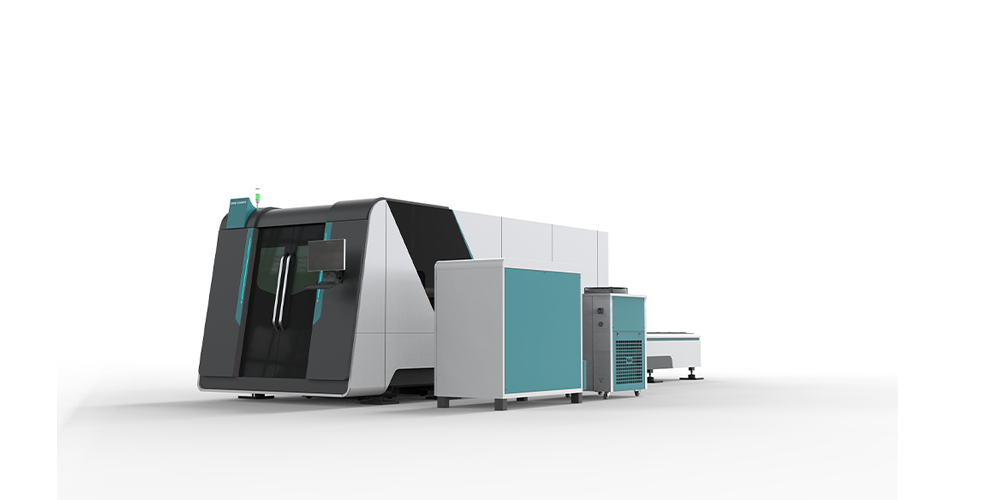
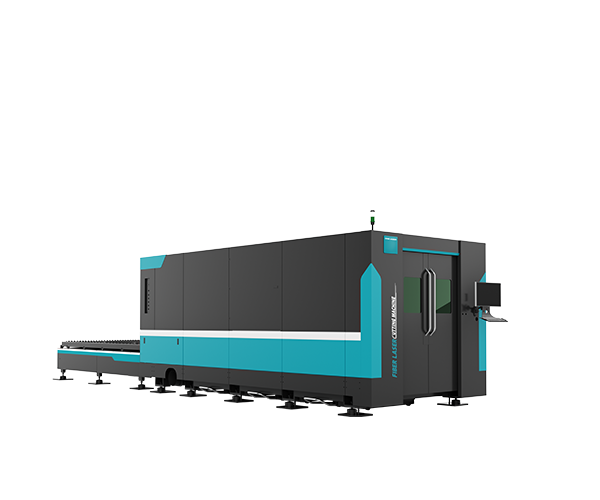
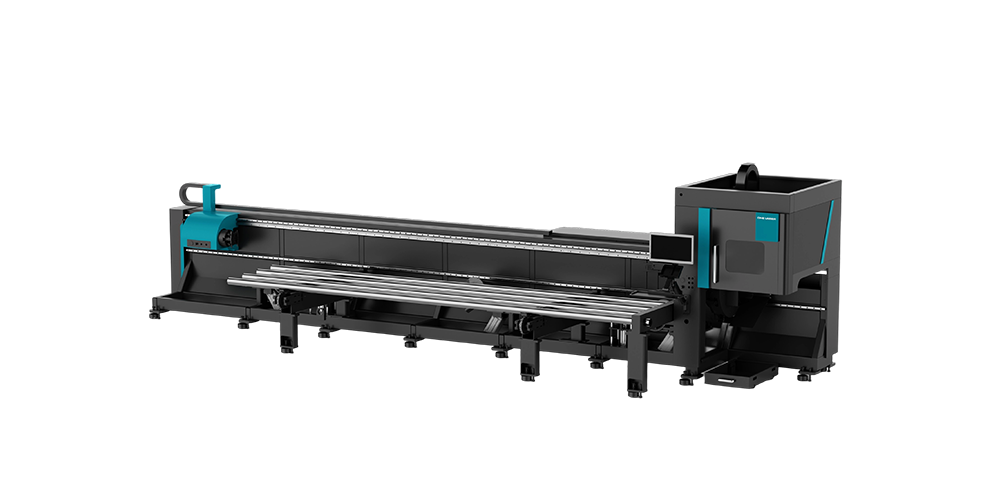
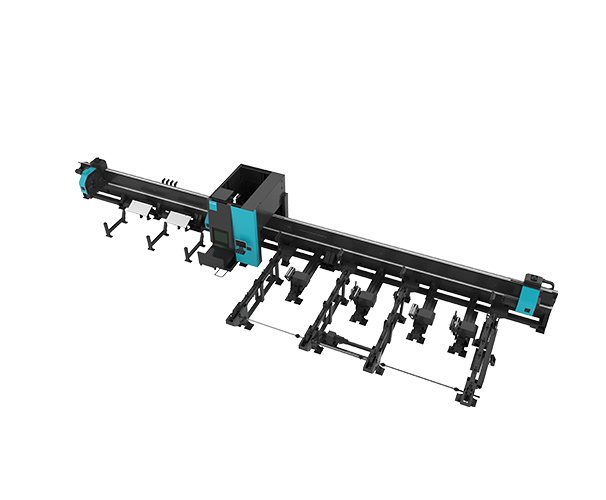
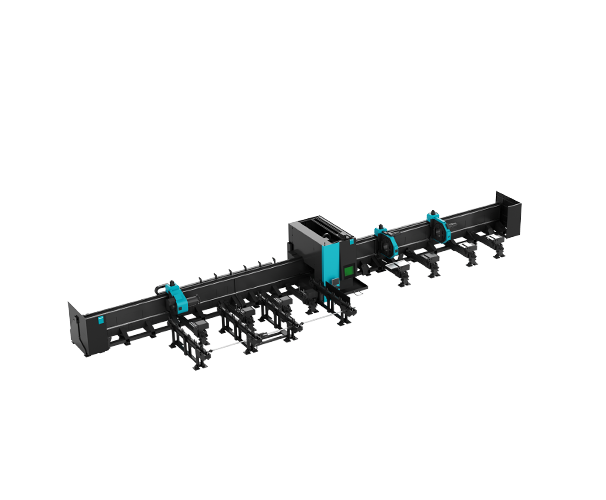
In the wave of intelligent transformation in manufacturing, tube laser cutting technology, with its core advantages of high precision, high efficiency, and flexibility, has broken through the limitations of traditional cutting processes, becoming a key processing equipment in multiple fields such as construction, automotive, new energy, and aerospace. This non-contact processing technology, using lasers as "scalpels," is driving quality upgrades and efficiency revolutions across various industries through multi-dimensional innovative applications.
The construction industry is a significant application scenario for tube laser cutting, demonstrating irreplaceable value in steel structure processing. From the curtain wall keel of high-rise buildings to the steel pipe trusses of bridges, laser cutting, with its high precision of ±0.05mm, ensures the sealing of component connections and structural stability. The cut quality meets the national standard for first-class welds, and has been included in the centralized procurement systems of leading enterprises such as China State Construction Engineering Corporation and China Railway Corporation. For the irregular shapes required in the decoration field, it can achieve one-time molding of complex processes such as European-style carvings and hollowed-out shapes, with a processing efficiency five times that of traditional processes, achieving a perfect unity of architectural aesthetics and structural safety. In prefabricated construction, automated laser cutting production lines have reduced material changeover time to 3 minutes, significantly improving construction progress.
The lightweight transformation of the automotive manufacturing industry has provided ample opportunities for laser cutting of tubing. From exhaust pipes and chassis in traditional automakers to battery trays in new energy vehicles, laser cutting can precisely process various materials such as carbon steel and aluminum alloys. The cutting time for a single tubing has been reduced from 30 seconds to 18 seconds, increasing daily output by 50%. 3D laser cutting machines can better handle the multi-angle cutting needs of irregularly shaped tubing, producing smooth, burr-free cuts, eliminating the need for subsequent grinding processes, and improving welding efficiency by 50%. After introducing this technology, one automaker reduced its scrap rate from 3% to 0.5%, saving 150,000 yuan in material costs per month, becoming a key driver of cost reduction and efficiency improvement.
The high-quality development of the new energy industry has placed stringent demands on tubing processing, and laser cutting technology precisely matches the processing standards of core components such as photovoltaic brackets and energy storage cabinets. Its ±0.03mm repeatability and ultra-narrow kerf of 0.1-0.2mm increase the utilization rate of steel per ton by more than 12%, effectively controlling production costs. For high-speed cutting of small and thin tubes, it is 30%-50% faster than traditional equipment, facilitating the large-scale production of new energy products. In hydrogen energy storage pipeline processing, the high cleanliness of laser cutting avoids pollution risks and ensures energy security.
The high-precision demands of the aerospace industry have driven breakthroughs in laser cutting technology. Facing difficult-to-machine materials such as titanium alloys, laser cutting can achieve ultra-high precision cutting of ±0.02mm, successfully overcoming the challenges of processing large-diameter aluminum alloy conduits and breaking the foreign technology monopoly. Its non-contact processing method avoids tube deformation, ensuring the stability of key components such as aircraft engines and satellite structural parts. A precision component company has used this technology to enter the international supply chain, with order volume increasing by 200% year-on-year.
From construction engineering to high-end manufacturing, tube laser cutting technology is reshaping processing models across various industries with its core advantages of "precision cutting, fast cutting, and cost-effective cutting." With the continuous upgrading of technologies such as high-power lasers and intelligent typesetting, this technology will achieve breakthroughs in more niche fields, injecting lasting momentum into the high-quality development of the manufacturing industry.