Core Advantages of Laser Tube Cutting: Reshaping the Modern Processing Paradigm
Published:2026-01-19
Browse:
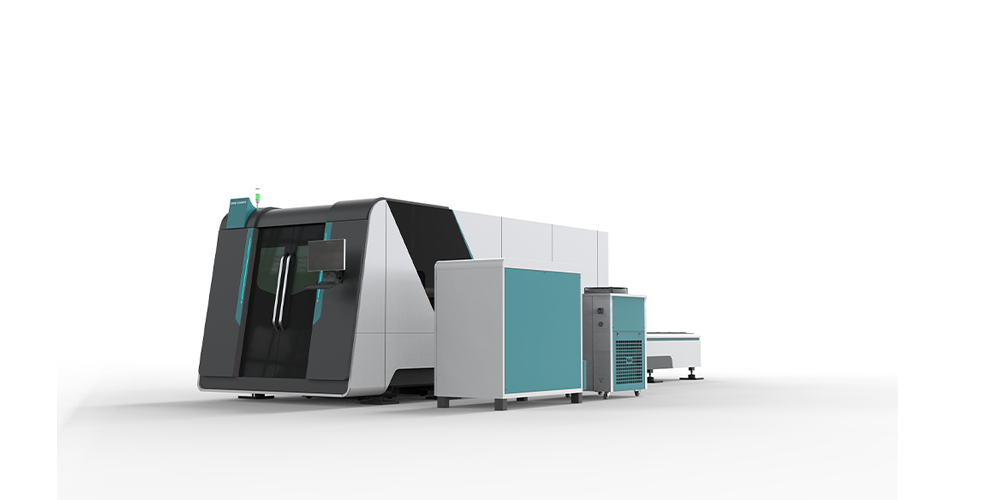
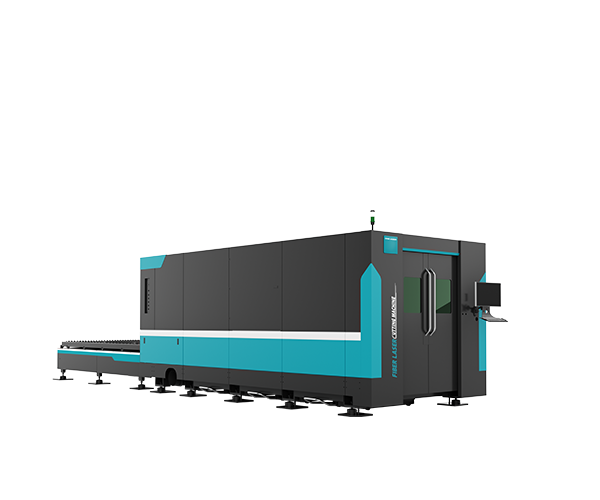
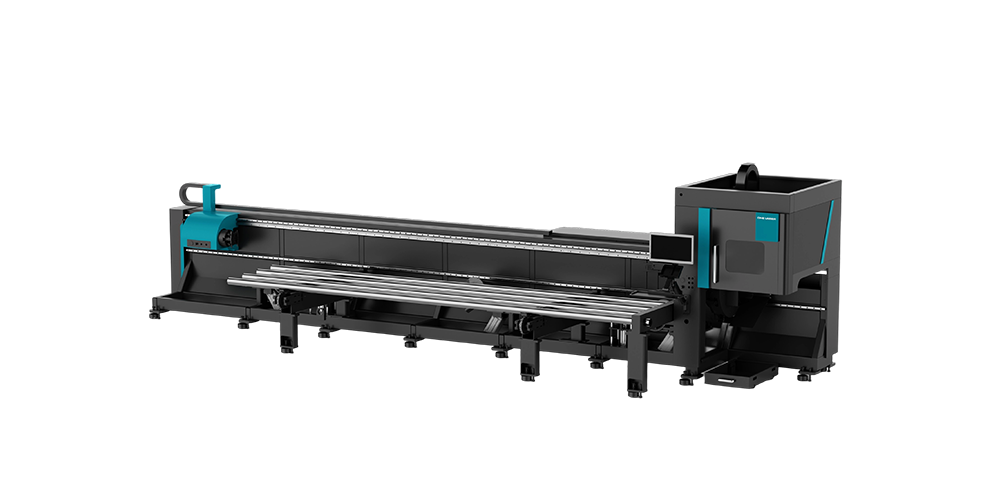
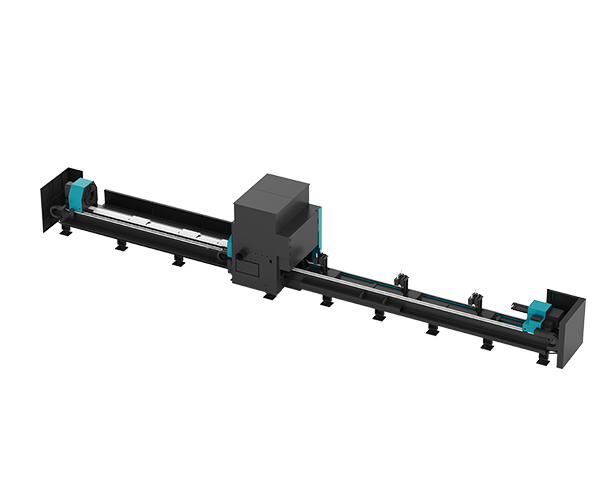
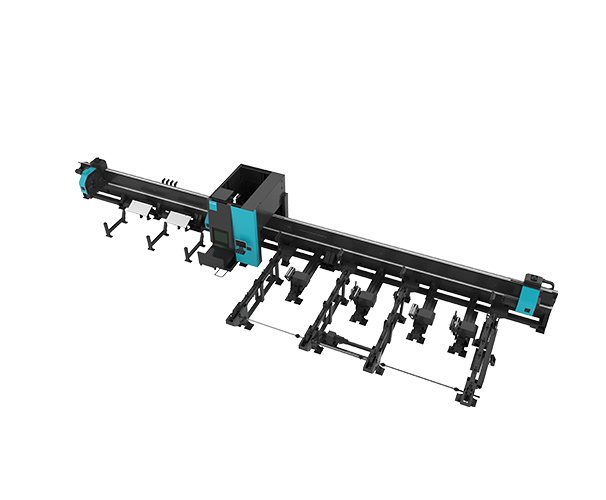
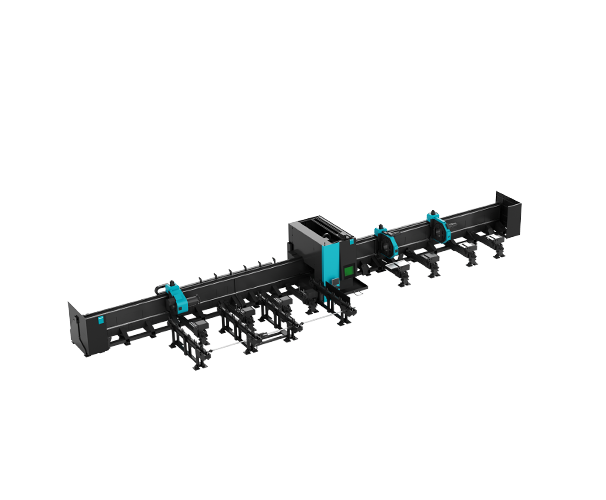
In the wave of manufacturing transformation towards precision and intelligence, laser tube cutting technology, with its fundamental technological breakthroughs, has completely changed the landscape of traditional tube processing. It is no longer simply a "high-efficiency cutting tool," but has become core equipment driving upgrades across multiple industries. Its core advantages are concentrated in four dimensions: precision control, processing flexibility, efficiency improvement, and intelligent environmental protection.
Micron-level precision control, reconstructing processing quality standards, is the primary advantage of laser cutting. Relying on high-power fiber laser technology and a precision transmission system, laser tube cutting machines can achieve a cutting accuracy of ±0.03mm, with repeatability errors controlled within ±0.01mm, far exceeding the ±0.1-0.3mm error range of traditional mechanical cutting. This precision is particularly crucial in the medical field; for example, in cutting stainless steel tubes for vascular stents, the groove width tolerance can be accurate to ±0.008mm, and the burr height of the cut ≤0.003mm, meeting biocompatibility requirements without subsequent polishing. Meanwhile, non-contact processing avoids pipe deformation caused by mechanical stress, and the heat-affected zone can be compressed to within 0.1mm, effectively ensuring that material properties are not damaged.
Full-scenario processing flexibility breaks through the limitations of shape and material, demonstrating technological inclusiveness. High-power fiber lasers have an absorption rate of over 90% for metal materials, easily handling various materials such as carbon steel, stainless steel, aluminum alloys, and copper alloys, achieving "thickness-neutral" processing for pipes ranging from 0.5mm thin-walled to 20mm thick-walled. Combined with a 3D dynamic following system, even irregularly shaped pipes such as elliptical and corrugated pipes can have their contours scanned in real time by a laser sensor, dynamically adjusting the cutting angle with 0.1mm accuracy to complete ±45° multi-angle beveling and complex intersection line processing, allowing customized production to operate without the need for dedicated molds.
Efficiency and cost optimization, achieving value-added throughout the entire process, has become a core demand for enterprises. Laser cutting speeds can reach 5-8 times that of traditional sawing. Industrial-grade equipment can cut Φ10mm pipes at speeds up to 50m/min. Combined with intelligent layout algorithms, material utilization rates increase from 70% in traditional processes to over 94%. Data from a furniture company shows that this alone can save over one million yuan in material costs annually. Furthermore, the cuts are smooth and burr-free, requiring no secondary grinding. Integrating drilling and tapping processes, multiple steps are compressed into one, significantly shortening the production cycle.
From precision medical tubing to heavy engineering structures, laser cutting of pipes has redefined the boundaries of pipe processing with its multi-dimensional advantages of precision, flexibility, efficiency, and intelligence. It is not only an innovation in technological tools but also a crucial support for the manufacturing industry's transformation towards high-quality development, becoming a core driving force for upgrading various industries.
Intelligent and environmentally friendly upgrades align with industry development trends, making these advantages more sustainable. Modern laser pipe cutting machines are equipped with industrial internet modules, capable of collecting over 200 operational data points in real time. Cloud-based analysis enables fault warnings and parameter self-optimization, increasing effective equipment uptime to over 95%. Simultaneously, the electro-optical conversion efficiency of fiber lasers reaches 30%, far exceeding the 10%-15% of CO₂ lasers. Combined with a high-efficiency dust removal system, dust and harmful gas emissions are significantly reduced, meeting carbon neutrality goals and improving the production environment.